

Blog
Discorso ai Critici, ai Poeti, agli Amatori, Ai Passanti
Ambrosio Paolo ottobre 1979
Un enunciato estetico ha un senso se, almeno in linea di principio, è possibile riferirlo ad una produzione estetica: è in ogni caso una riflessione sul mondo dell’arte data dall’empiria e dalla storia e non ha il senso di un decreto ma quello di un’esperienza che a posteriori ha preso forma di teoria.
An aesthetic statement makes sense if, at least in principle, it is possible to refer it to an aesthetic production: it is in any case a reflection on the world of art given by empiricism and history and it does not have the meaning of a decree but that of an experience that a posteriori took the form of theory.
Max Bense, Estetica, Milano 1974, p.295
Il senso di un’opera (o di un testo) non può farsi da solo ; l’autore non può produrre che delle presunzioni di senso, delle forme se si vuole, ed è il mondo a riempirle.
The meaning of a work (or a text) cannot be done alone; the author can only produce presumptions of meaning, of forms if one wishes, and the world fills them.
Roland Barthes, Saggi critici, Torino 1968, p. 13
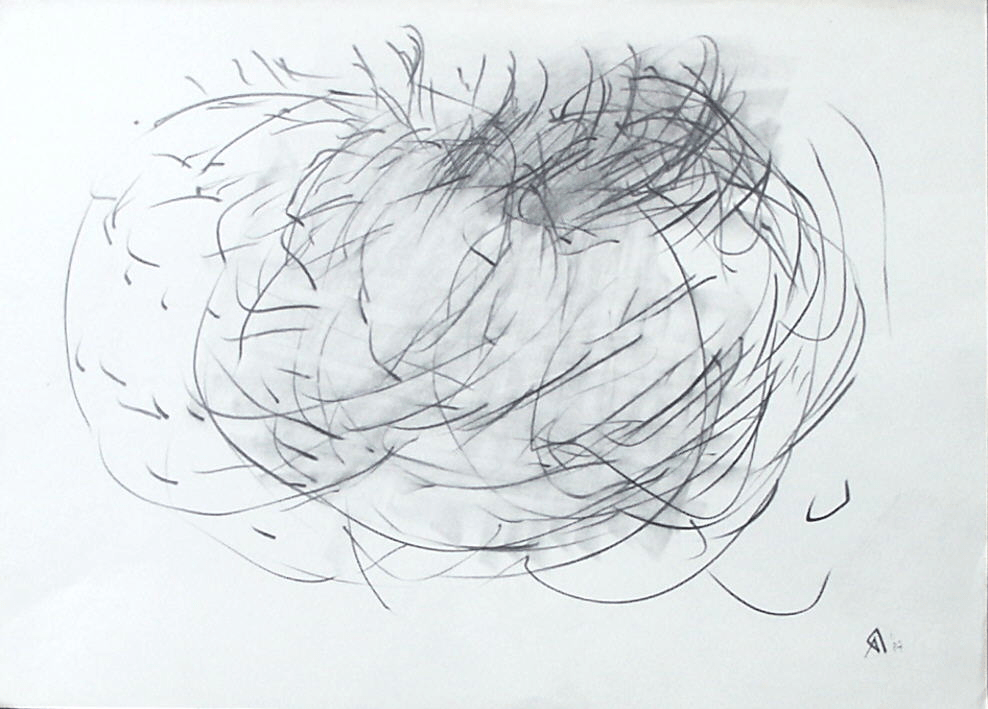
E’ per noi motivo di sorpresa sempre rinnovata la triplice distinzione che i bambini riescono a fare ciò che scarabocchiano, ciò che disegnano e quella specie di lettera che “scrivono” e di cui vanno particolarmente fieri. In essi vi è l’effetto di una magia con la possibilità di allineare certi segni, di collegarli tra loro e sono pienamente consapevoli di voler “dire” e comunicare qualcosa con questi segni. Per poco non li vediamo mettere il foglio all’orecchio così come i negri di Albert Schweizer di fronte a uno scritto.
The triple distinction that children manage to do what they scribble, what they draw and that kind of letter they “write” and of which they are particularly proud, is a reason of ever-renewed surprise. In them there is the effect of a magic with the possibility of aligning certain signs, of connecting them with each other and they are fully aware of wanting to “say” and communicate something with these signs. We almost see them put the paper to their ears as well as Albert Schweizer’s negroes in front of a writing.
Marthe Bernson, Dallo scarabocchio al disegno, Roma 1968, p. 28.
Certamente, solo se si è imparato a parlare si puo’ dire qualcosa . dunque chi vuole dir qualcosa, deve avere imparato a padroneggiare una lingua e tuttavia è chiaro che si puo’ voler parlare senza dover parlare. Cosi’ come si puo’ voler danzare senza danzare. E, riflettendoci, la mente afferra “L’immagine” del danzare, del parlare, e cosi’ via.
Of course, only if you have learned to speak can you say something. therefore whoever wants to say something must have learned to master a language and yet it is clear that one can want to speak without having to speak. So how can you want to dance without dancing. And, upon reflection, the mind grasps the “Image” of dancing, of speaking, and so on.
Ludwig Wittgenstein, Ricerche filologiche, Torino 1967, p.144
Se penso col linguaggio, davani alla mia mente non passano, oltre le espressioni linguistiche, anche i “significati”; ma lo stesso linguaggio è il veicolo del pensiero.
If I think with language, in front of my mind, beyond linguistic expressions, “meanings” do not pass; but language itself is the vehicle of thought
4. Immagina una scrittura in cui le lettere vengano utilizzate per designare suoni, ma anche per designare l’accentuazione, e come segni d’interpunzione. Ora immagina che qualcuno intenda quella scrittura come se ad ogni lettera corrispondesse semplicemente un suono e le lettere non avessero anche altre funzioni, del tutto diverse.
4. Imagine a script in which letters are used to designate sounds, but also to designate accentuation, and as punctuation marks. Now imagine that someone understands that writing as if each letter simply corresponded to a sound and the letters did not also have other functions, entirely different
Ludwig Wittgestein, Ricerche filologiche, Torino, 1967, p.141, p.11.
Nel processo artistico l’autentica innovazione consiste nell’estrarre cio’ di cui non si puo’ fare a meno. In altri termini il correlato oggettivo del progresso estetico del processo estetico consiste nella constatazione sistematica e nella realizzazione in senso progressista di cio’ che vi è di effettivamente inevitabile nel processo estetico; questo inevitabile è la vera, l’autentica realtà estetica. La realtà estetica ha pero’ come abbiamo detto una natura stocastica, una natura statistica; la sua realtà è una approssimazione; la probabilità del suo stato è un’assenza: l’inevitabile.
In the artistic process, the authentic innovation consists in extracting what one cannot do without. In other words, the objective correlation of the aesthetic progress of the aesthetic process consists in the systematic observation and realization in a progressive sense of what is actually inevitable in the aesthetic process; this inevitable is the true, the authentic aesthetic reality. However, as we have said, aesthetic reality has a stochastic nature, a statistical nature; its reality is an approximation; the probability of his state is an absence: the inevitable.
M Bense. Estetica p. 320
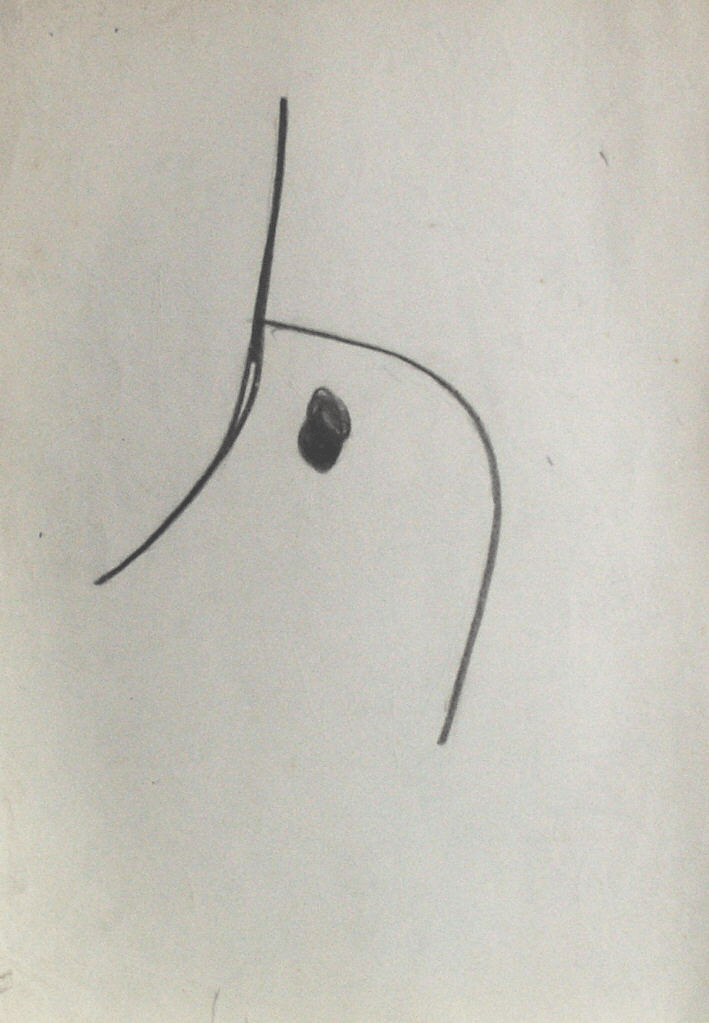
Il processo di apprendimento (e di percezione) è principalmente una questione di scoperta della risposta adeguata a una situazione problematica e di fissazione della relazione soddisfacente situazione-risposta.
The learning process (and perception) is mainly a matter of discovering the appropriate response to a problematic situation and establishing the satisfactory situation-response relationship.
Hildgard Bower, Teorie dell’apprendimento, Milano 1978, p.439.
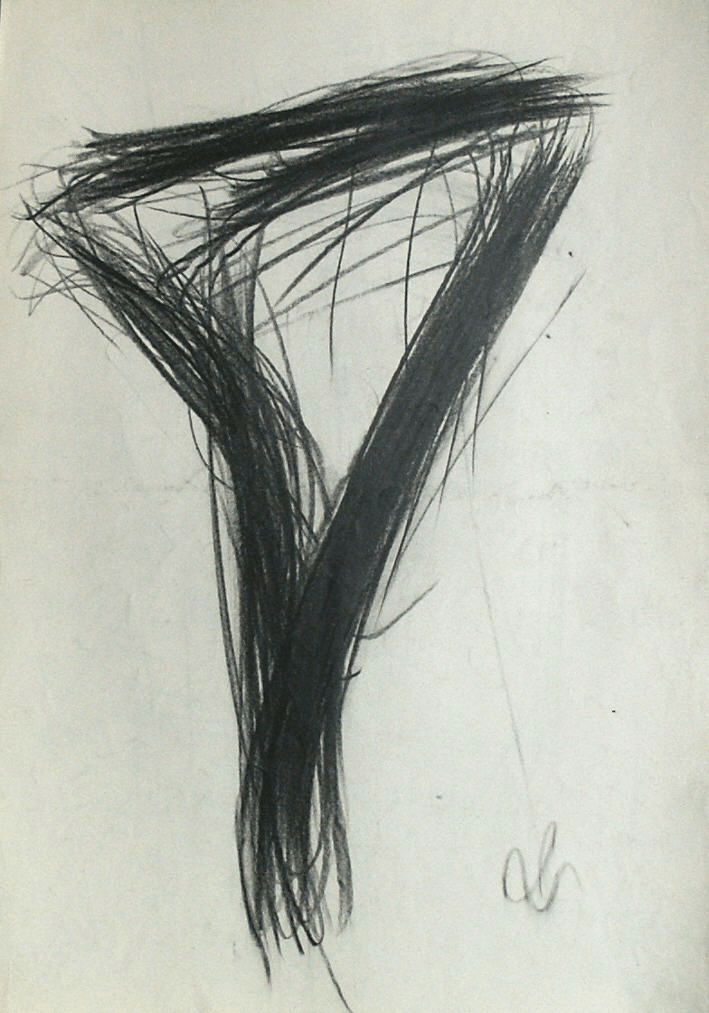
La funzione dell’astrazione consiste nel tradurre con metodo e in modo percettibile – e questo è decisivo- gli oggetti in segni, nell’annullare cioè il tetto nel rosso del tetto e il mare nel blu del mare. Il processo estetico si attua come sottile dialettica tra oggetto e segno e il residuo degli oggetti che viene presentato dalla realizzazione non è più un residuo della percezione ma della coscienza.
The function of abstraction consists in translating in a methodical and perceptible way – and this is decisive – objects into signs, that is, in canceling the roof in the red of the roof and the sea in the blue of the sea. The aesthetic process takes place as a subtle dialectic between object and sign and the residue of the objects that is presented by the realization is no longer a residue of perception but of consciousness.
M. Bense, Estetica, p. 352
La parola letteraria si sviluppa a partire da se stessa, formando una rete di cui ogni punto distinto dagli altri, lontano anche dai più vicini, è situato in rapporto a tutti in uno spazio che al tempo stesso li colloca e li separa.
The literary word develops from itself, forming a network of which each point distinct from the others, even away from the closest, is located in relation to all in a space that at the same time places and separates them.
Michail Foucault, Saggi letterari, Milano 1971, p.113
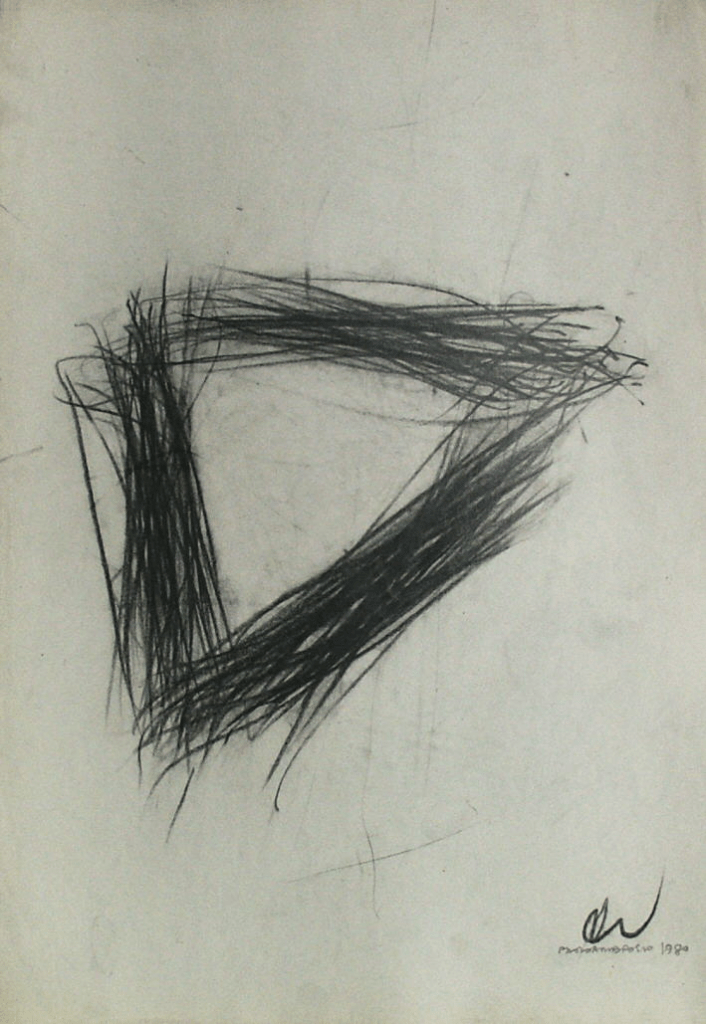
2° PUNTATA
L’oggetto non di dà semplicemente nella percezione, ma sorge dall’interpretazione e dalla riflessione come processo selettivo secondario compiuto sui segn ivisivi. Per il fatto che la rappresentazione crea gli oggetti a partire dagli elementi percettivi che fungono da segni, essa passa dl percepire all’interpretare, dal vedere al riflettere… Solo col processo di riflessione, la realizzazione estetica cessa di essere analogica. Ora lavora in modo digitale ; prende decisioni; dice si oppure no; possiede effetti estremamente comunicativi in quanto costringe non solo il pittore ma persino il fruitore a prendere decisioni, mette cioè in vigore il principio di critica e valutazione.
M. Bense , Estetica, p. 355
The object does not simply give in perception, but arises from interpretation and reflection as a secondary selective process carried out on the signs. Due to the fact that representation creates objects starting from perceptual elements that act as signs, it passes from perceiving to interpreting, from seeing to reflecting … Only with the process of reflection, the aesthetic realization ceases to be analogical. Now he works digitally; makes decisions; he says yes or no; it has extremely communicative effects as it forces not only the painter but also the user to make decisions, that is, it puts into effect the principle of criticism and evaluation.
M. Bense, Aesthetics, p. 355
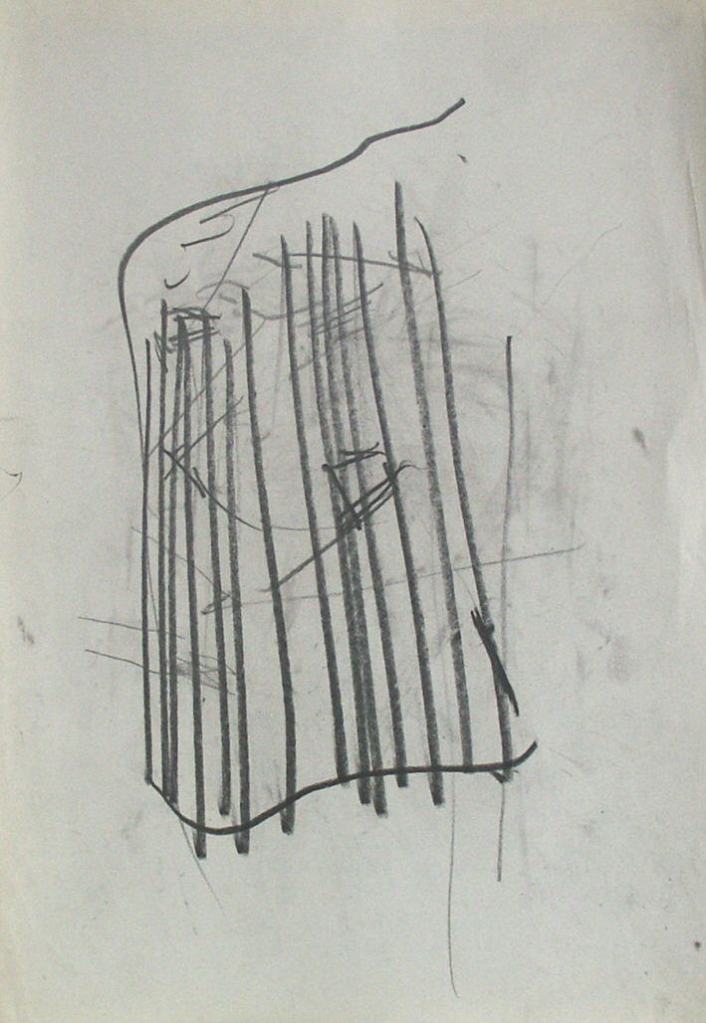
Il fare si riferisce ai segni. I segni nascono dall’esperimento. L’essere dei segni si realizza in modo sperimentale. La massima che afferma la sostanziale non-costruibilità dell’opera d’arte si riferisce alla sua componente estetica, alla trasposizione di elementi reali in segni. In una lettera di Beckmann si trova questa frase : « Lei deve trasformare l’impressione ottica del mondo degli oggetti per mezzo dell’aritmetica rascendente che si trova nel suo interno.
M. Bense , Estetica, p . 88
Doing refers to the signs. The signs arise from the experiment. The being of the signs is realized in an experimental way. The maxim that affirms the substantial non-constructability of the work of art refers to its aesthetic component, to the transposition of real elements into signs. In a letter from Beckmann we find this sentence: “You have to transform the optical impression of the world of objects by means of the ascending arithmetic found within it.
M. Bense, Aesthetics, p. 88
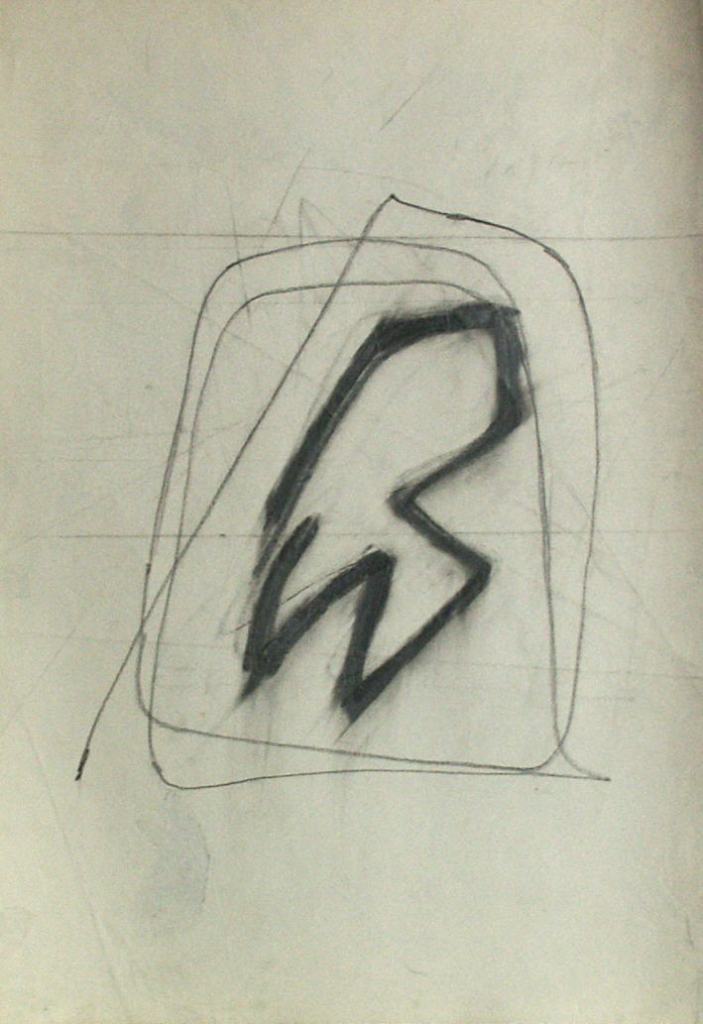
La proposta del segno avviene all’insegna della rottura e della liberazione. Si tratta percio’ di invenzione nel senso proprio del rinvenire nel « mundus subterraneus » una serie di memorie alfabetiche che siano in grado di riattivare il regresso, di determinare un ritorno del sepolto in grado di scompaginare l’ordine, di sconvolgere la direzione vettoriale cui si è abituati, di compiere, direbbe Blanchot, la metamorfosi de tempo nello spazio.
Gino Baratta, Gastone Novelli, Catalogo Galleria d’Arte Moderna, Torino 1972, p. 28
The proposal of the sign takes place under the banner of rupture and liberation. It is therefore an invention in the proper sense of finding in the “mundus subterraneus” a series of alphabetic memories that are able to reactivate the regress, to determine a return of the buried subject capable of disrupting the order, of upsetting the vectorial direction to which we are used to, as Blanchot would say, the metamorphosis of time into space.
Gino Baratta, Gastone Novelli, Catalog of the Modern Art Gallery, Turin 1972, p. 28
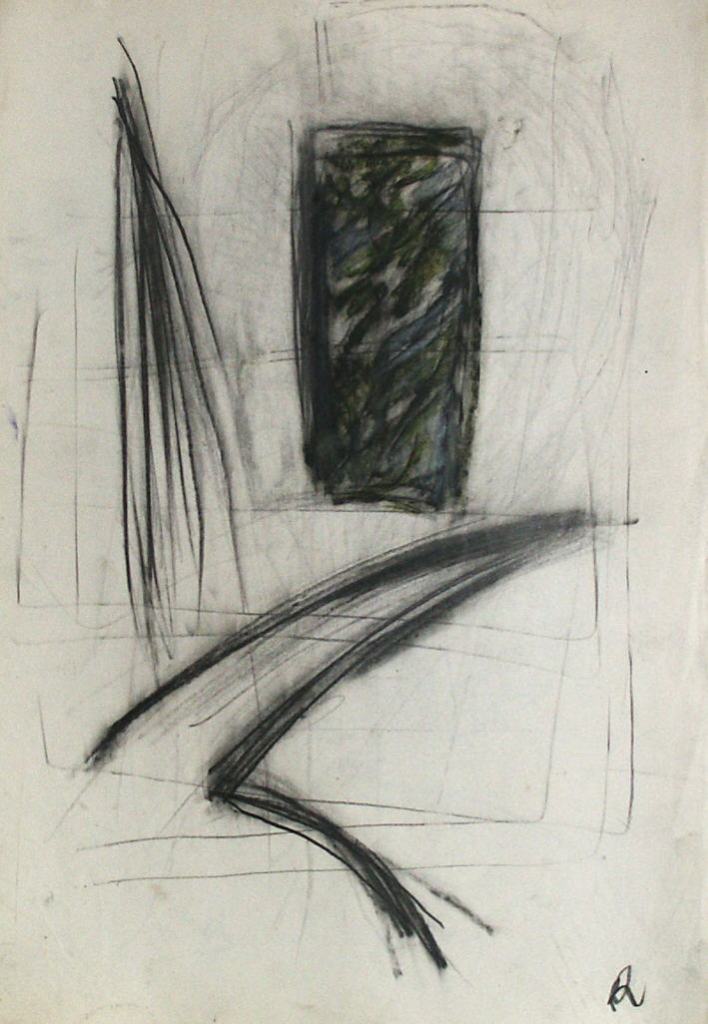
432. Ogni segno da solo sembra morto. Che cosa gli dà vita ?. Nell’uso esso vive. Ha in sè l’alito vitale ? O è l’uso il suo respiro ?.
L. Wittgenstein, Ricerche filosofiche, p. 168
432. Each sign alone seems dead. What gives it life? In use it lives. Does it have the vital breath in it? Or is it the use of his breath ?.
L. Wittgenstein, Philosophical Research, p. 168
Il sistema complessivo di tracce che risulta dalla ripetizione viene sempre trasformato. Con ogni ripetizione l’organizzazione delle tracce lasciata dai processi precedenti interagisce con il processo presente per creare qualcosa di nuovo. Questo sistema di tracce diventa sempre più disponibile. Attraverso l’interazione di traccia e processo si raggiunge il miglioramento nell’abilità.
Il comportamento prova-ed-errore ed induzione e argomento di qualche malinteso perchè da un canto ci sono dei fatti empirici e dall’altro delle teorie su questi fatti. La graduazione empirica delle situazioni non significa che le interpredazioni debbano essere cosi’ graduate, cioè che il comportamento prova-ed-errore debba essere spiegato mediante una teoria prova-ed-errore, quello intuitivo mediante una teoria dell’intuizione. Il teorico che riconosce queste differenze empiriche cerca di spiegarle sulla base di un gruppo unificato di principi.
Hilgard Bower, Teorie dell’apprendimento, p. 356 sg.
The overall system of tracks resulting from repetition is always transformed. With each repetition, the organization of the traces left by previous processes interacts with the present process to create something new. This system of tracks becomes more and more available. Through the interaction of track and process, improvement in skill is achieved.
The trial-and-error and induction behavior is the subject of some misunderstanding because on the one hand there are empirical facts and on the other there are theories on these facts. The empirical graduation of situations does not mean that the interpretations must be so graded, that is, that trial-and-error behavior must be explained by a trial-and-error theory, the intuitive one by a theory of intuition. The theorist who recognizes these empirical differences tries to explain them on the basis of a unified set of principles.
Hilgard Bower, Theories of learning, p. 356 sg.
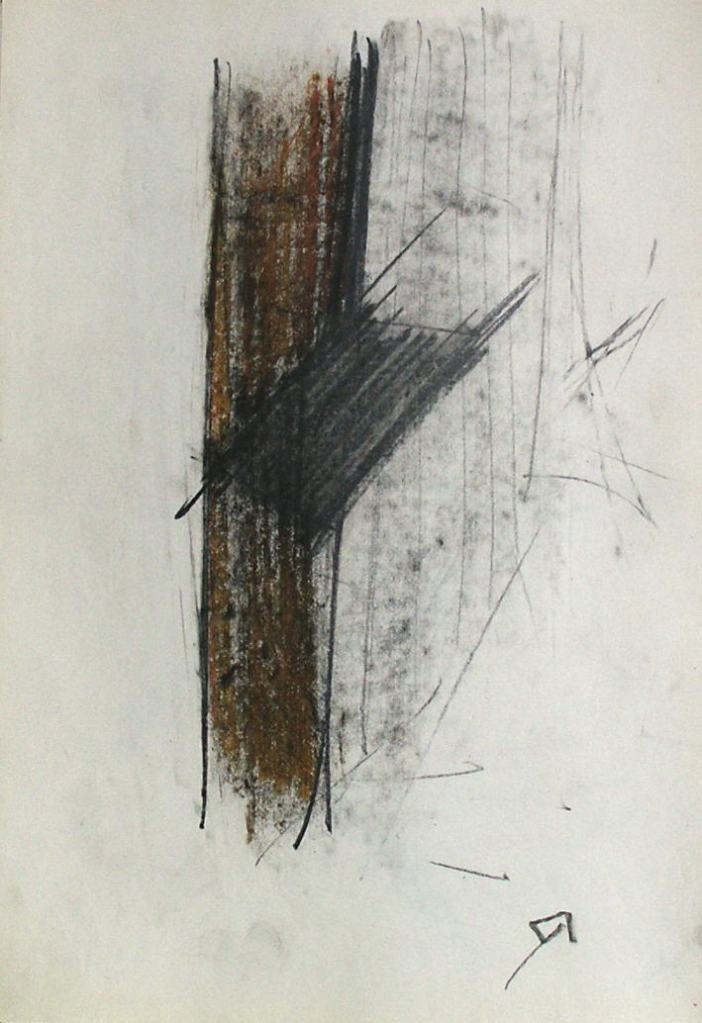
Il metodo con cui si cerca una soluzione è normalmente sempre lo stesso : « Il metodo per prova ed errore ». E si tratta dello stesso metodo adottato dagli organismi viventi nel processo di adattamento…
Le teorie vengono proposte per tentativi, e sono sottoposte a severe e prolungate prove. Se il risultato di un controllo mostta che la teoria è erronea , essa viene eliminata ; il meodo per prova ed errore è essenzialmente un metodo di eliminazione.
Se viene accolta come almeno parzialmente corretta, questa descrizione dello sviluppo del pensiero umano puo’ aiutarcia comprendere come questo procede secondo linee dialettiche.
Karl Raimund Popper, Congetture e confutazioni, Bologna 1969, p. 531 sg.
The method by which a solution is sought is usually always the same: «The method by trial and error». And it is the same method adopted by living organisms in the process of adaptation …
Theories are proposed by trial and error, and are subjected to severe and prolonged tests. If the result of a check shows that the theory is wrong, it is eliminated; the trial and error method is essentially a method of elimination.
If accepted as at least partially correct, this description of the development of human thought can help us understand how this proceeds along dialectical lines.
Karl Raimund Popper, Conjectures and Refutations, Bologna 1969, p. 531 g.
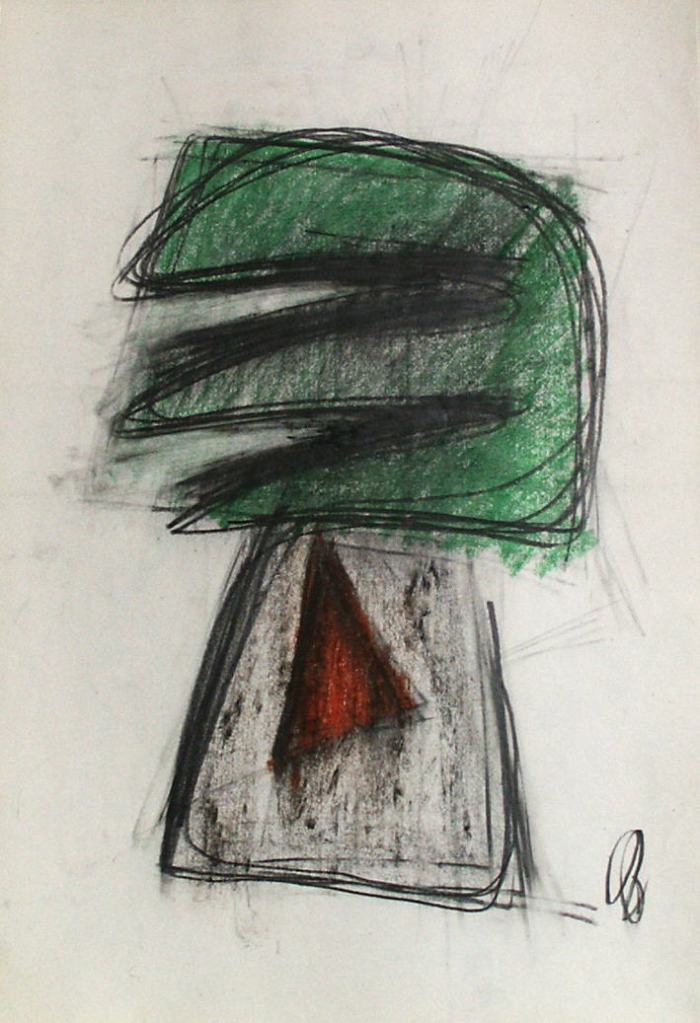
4° e ultima puntata
Il messaggio semantico è un’invariante e il suo dipendere dalla struttura logica è evidente quando si pensa che è proprio la logicità di una proposizione ciò che resiste anche ad una eventuale trasposizione, ciò che è invariante rispetto al modificarsi della forma di espressione.
M Bense, Estetica p. 417
The semantic message is an invariant and its dependence on the logical structure is evident when you think that it is precisely the logic of a proposition that also resists a possible transposition, that is, it is invariant with respect to the modification of the form of expression.
M Bense, Aesthetics p. 417
Ciò che il nostro apparato nervoso e sensoriale presenta alla nostra esperienza, tanto in campo ottico che acustico, è sempre già il risultato di calcoli estremamente complessi che, sulla base dei dati sensoriali, cercano di trarre conclusioni su quegli elementi della realtà extrasoggettiva su cui essi si fondano, e che sono la realtà nascosta dietro ad ogni fenomeno – come realisti ipotetici supponiamo- A partire da queste «conclusioni», naturalmente incosce, del nostro apparato di calcolo, si tratta di individuare e di rendere riconoscibili certe connessioni e interazioni di stimoli che rimangono Invariate nel tempo.
Konrad Lorenz, L’altra faccia dello specchio, Milano, 1974, p. 198
What our nervous and sensory apparatus presents to our experience, both in the optical and acoustic fields, is always already the result of extremely complex calculations which, on the basis of snsorial data, try to draw conclusions on those elements of extra-subjective reality on which they are founded, and which are the hidden reality behind every phenomenon – as hypothetical realists we suppose – Starting from these “conclusions”, naturally unconscious, of our computational apparatus, it is a question of identifying and making recognizable certain connections and interactions of stimuli he remains unchanged over time.
Konrad Lorenz, The other side of the mirror, Milan, 1974, p. 198
L’immaginazione funzionale o sintagmatica non vede più (o vede meno) ilsegno nella sua prospettiva, lo prevede nella sua estensione : i nessi antecedenti e conseguenti , i ponti che getta verso altri segni : si tratta di una immaginazione « stemmatica », di una immaginazione della catena o della rete ; e la dinamica dell’immagine viene ad essere quella di un coordinamento di parti mobili, sostitutive, la cui combinazione produce un senso, o più generalmente un oggetto nuovo ; si tratta di un’immaginazione propriamente fabbricativa, o anche funzionale. (la parola è felicemente ambigua, poiche rimanda contemporaneamente all’idea di un rapporto e a quella in uso).
R. Barthes, Saggi critici, p. 306
Functional or syntagmatic imagination no longer sees (or sees less) the sign in its perspective, it foresees it in its extension: the antecedent and consequent connections, the bridges it throws towards other signs: it is a “stemmatic” imagination, a imagination of the chain or network; and the dynamics of the image come to be that of a coordination of moving, replacement parts, the combination of which produces a sense, or more generally a new object; it is a properly manufacturing or even functional imagination. (the word is happily ambiguous, since it simultaneously refers to the idea of a relationship and to the one in use) <<<<<<<<<<;
R. Barthes, Critical essays, p. 306
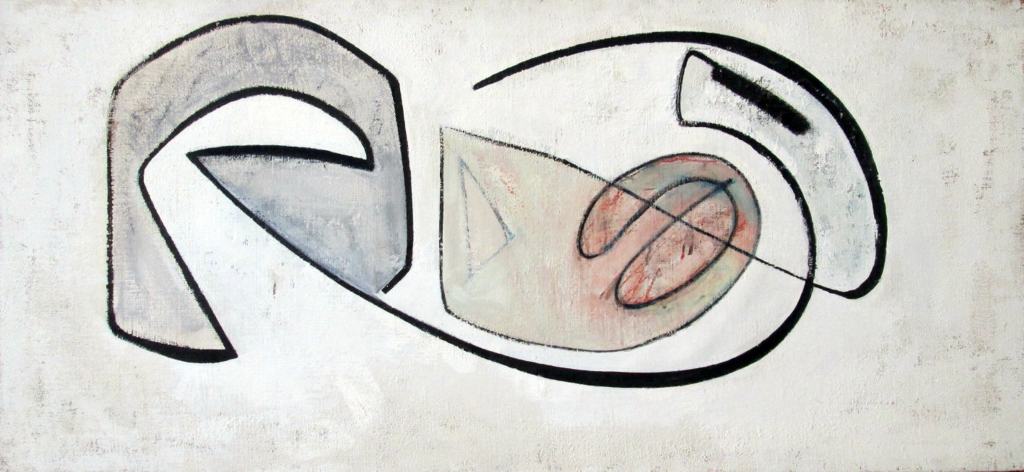
La tela non è più luogo di elaborazione ma semplice supporto di una realtà immateriale. La traccia -segno, espressa fruendo della tela grezza inviolata dal pigmento, acquisisce valore di assenza, di nulla, di zero, de-cifra la realtà. La traccia-segno è come un fotogramma di un film muto e rappresenta un breve intervallo, un attimo di graziache, mentre costringe l’uomo a rinunciare alla sua dimensione corrente, può operare una straordinaria compressione dell’espressione.
The canvas is no longer a place of elaboration but a simple support of an immaterial reality. The trace-sign, expressed by using the raw canvas inviolate by the pigment, acquires the value of absence, of nothing, of zero, de-ciphers reality. The trace is like a frame from a silent film and represents a short interval, a moment of grace which, while forcing man to give up his current dimension, can operate an extraordinary compression of expression.
La campitura ha solo funzione aggregante, degli altri elementi espressivi. Non è più sipario, non copre la tela sino ai margini, ma si fa quint ache apre all’esistente e, arginando il flusso, funge da « ductus »da e per il « grafo ».
La tela diventa teatro dove il segno e l’attore che ritaglia la sua realta-calco.
The background has only an aggregating function, of the other expressive elements. It is no longer a curtain, it does not cover the canvas up to the edges, but becomes a quintessential opening to the existing and, stemming the flow, acts as a “ductus” from and to the “graph”.
The canvas becomes a theater where the sign is the actor who cuts out his reality-cast.
Incollare il nastro adesivo è come plasmare immergendo le dita nella terra, è lasciare la traccia come una sgorbia dello xilografo che lascia nel legno. Traccia che non sarà violata dall’inchiostro ma da questo espressa.
Gluing the adhesive tape is like molding by dipping your fingers in the earth, it is leaving the trace like a woodcut gouge that leaves in the wood. Trace that will not be violated by the ink but expressed by it.
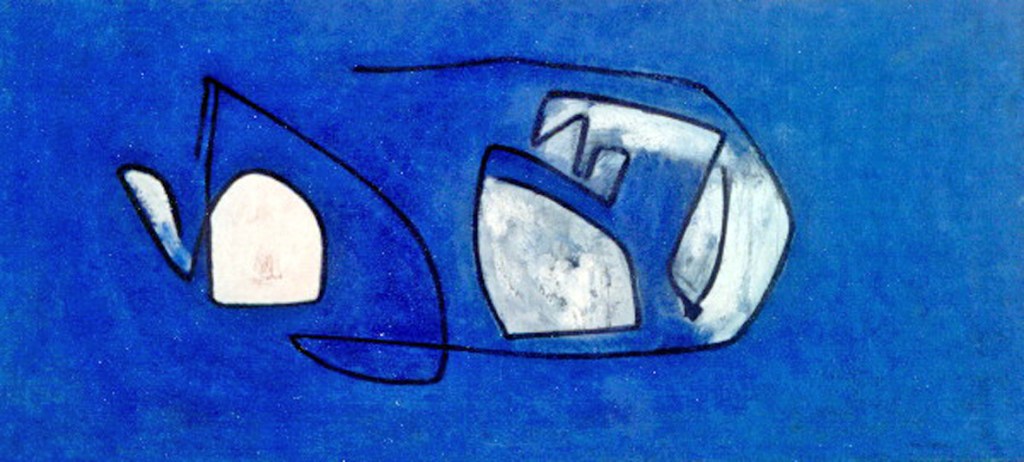
Le strutture estetiche sono essenzialmente strutture nascoste, celate, da un involucro. L’estetico non è la come lo è il fisico. Ma deve essere estratto per mezzo del lavoro.. ; Per questo l’estetica e essenzialmente riflessione, è il tentativo permanente di sillogizzare il non essere. La riflessione è essenzialmente negazione . E’ davvero il rapporto estetico col mondo e con l’essere può’ essere un rapporto di negazione. Ciò che Hegel chiama l’Altro, l’Altro che viene nominato quando si nega qualcosa , è ciò che nell’estetica appare più visibile e rinvigorito.
M. Bense, Estetica, p. 184
Aesthetic structures are essentially structures hidden, concealed, by an envelope. The aesthetic is not the same as the physical is. But it must be extracted through labor ..; For this reason, aesthetics and essentially reflection are the permanent attempt to syllogize non-being. Reflection is essentially negation. It is really the aesthetic relationship with the world and with being it can be a relationship of negation. What Hegel calls the Other, the Other who is named when something is denied, is what appears most visible and invigorated in aesthetics.
M. Bense, Aesthetics, p. 184
L’ideologia del negativo è l’ideologia portante del surrealismo , in quanto nasce dalla coscienza dell’arte e del suo contrario, il mondo del conscio e del suo contrario, l’inconscio. Nasce dalla coscienza infelice della duplicità di ogni gesto, dell’impossibilità di ribaltare l’io fuori dal se. L’affermazione passa attraverso la negazione , la ricostruzione si fonda sulla distruzine. Il costruirsi esige la distinzione dell’oggetto dell’inconscio. Ciò significa che lontano dal situarsi in un registro fusionale in cui oggetto e soggetto formano un’unità l’atto creatore si pone in una relazione di alterità.
Achille Bonito Oliva, Studi sul Surrealismo, Roma, 1977, p. 108
The ideology of the negative is the main ideology of surrealism, as it arises from the consciousness of art and its opposite, the world of the conscious and its opposite, the unconscious. It arises from the unhappy conscience of the duplicity of every gesture, of the impossibility of turning the self out of self. Affirmation passes through denial, reconstruction is based on destruction. Building oneself requires the distinction of the object of the unconscious. This means that far from being located in a fusional register in which object and subject form a unity, the creative act is placed in a relationship of otherness.
Achille Bonito Oliva, Studies on Surrealism, Rome, 1977, p. 108
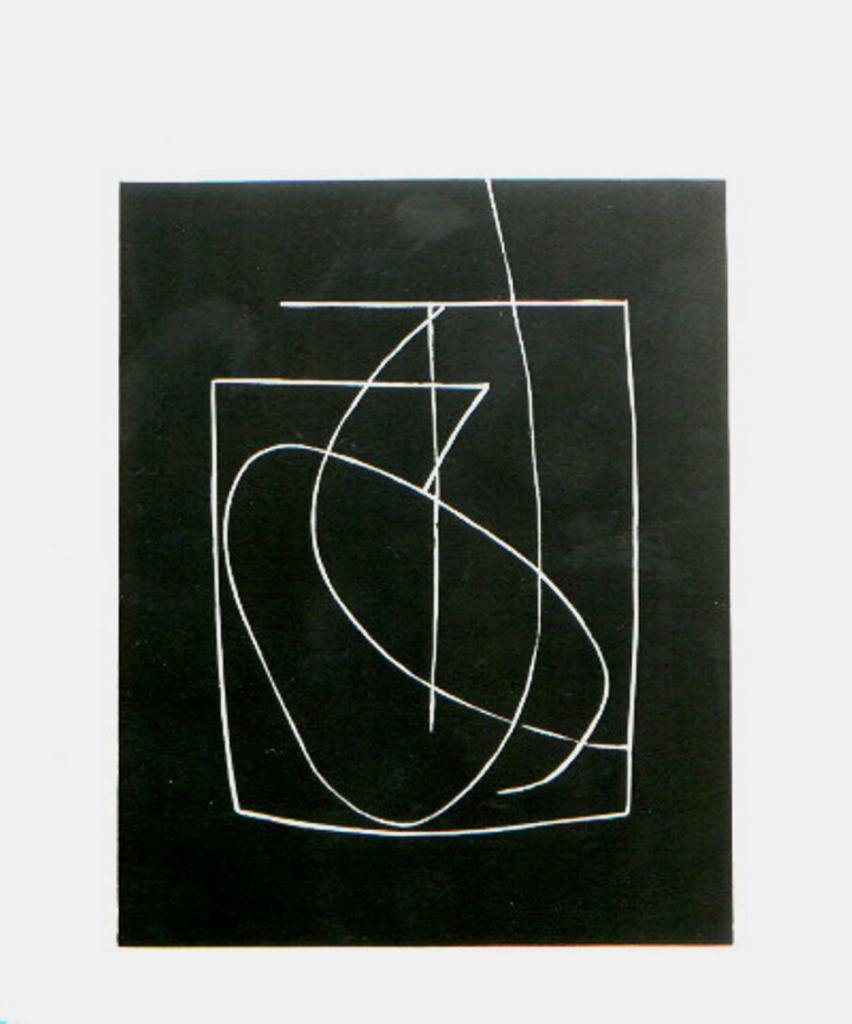
Bataille paragona le parole alle sabbie mobili, in cui tanto si sprofonda quanto più ci si agita ; esse « prosciugano in noi quasi tutta la vita » e lasciano inespressa l’unica parte comunicabile, la parte maledetta, Il negativo.
« Noi cerchiamo di cogliere in noi ciò che sussiste al riparo delle servitù verbali e, ciò che cogliamo, e noi stessi nell’atto di battere la campagna, infilando delle frasi, forse sull’argomento del nostro sforzo (poi del suo scacco) ma pur sempre delle frasi e nell’impotenza di cogliere altro ».
A questa situazione pare non esserci altra alternativa che il silenzio, ma per Bataille l’estremo è accessibile per eccesso ; non per difetto. Esso eccede e straripa dalla parola : la sua voce non è diretta, ma viene dalle quinte, dallo sfondo. La poesia non può essere perciò mai una comunicazione diretta di esperienze quanto si vuole negative, il negativo che, come si è visto è la condizione fondamentale della comunicazione, comunica solo per sbiego, indirettamente… La comunicazione avviene malgrado la poesia, lungo un movimento che non si identifica mai con essa, ma che passa attraverso essa: ciò che la fonda è la complicità improfferibile, inconfessabile col male.
Mario Perniola, George Bataille e il negativo, Milano, 1977,p. 33
Bataille compares words to quicksand, in which one sinks as much as one agitates; they “drain almost all of life in us” and leave the only communicable part unexpressed, the cursed part, the negative.
“We try to grasp in ourselves what subsists in the shelter of verbal servitudes and, what we grasp, and ourselves in the act of beating the countryside, inserting sentences, perhaps on the subject of our effort (then of its failure) but still phrases and in the powerlessness to grasp something else ».
There seems to be no alternative to this situation other than silence, but for Bataille the extreme is accessible by excess; not by default. It exceeds and overflows from the word: his voice is not direct, but comes from the wings, from the background. Poetry can therefore never be a direct communication of experiences as negative as one wants, the negative which, as we have seen and the fundamental condition of communication, communicates only by mistake, indirectly … Communication takes place despite poetry, a long movement that does not identify itself never with it, but that passes through it: what underpins it is the unbearable, unmentionable complicity with evil.
Mario Perniola, George Bataille and the negative, Milan, 1977, p. 33
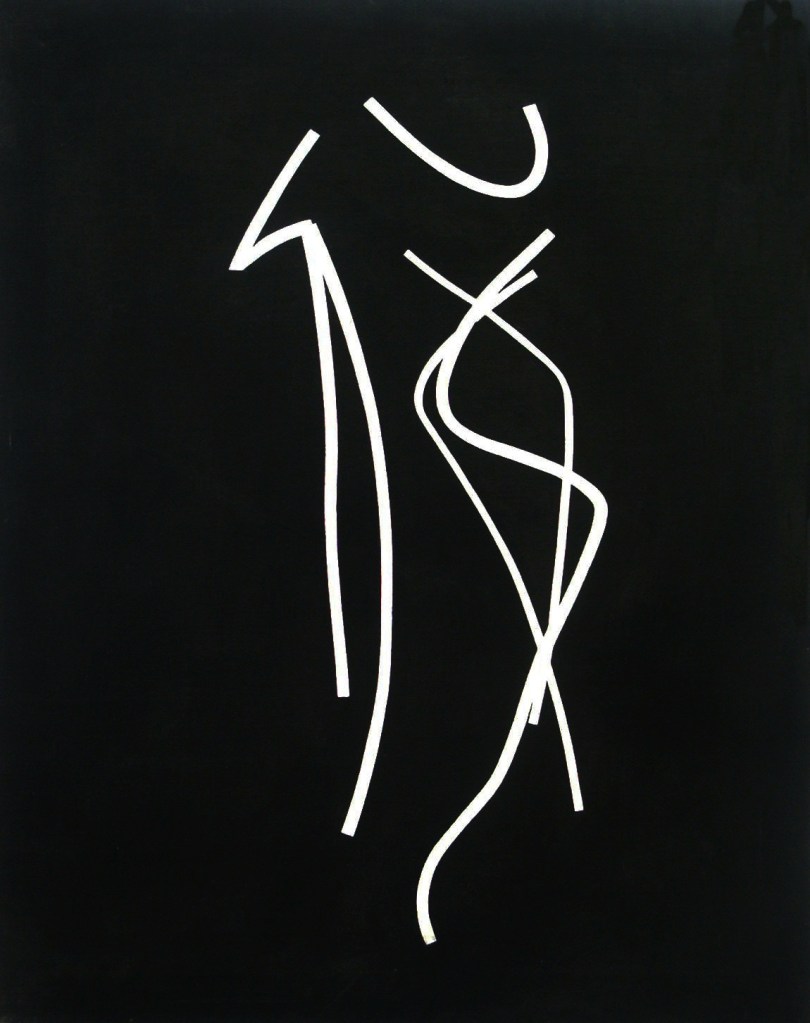
Per sussistere in mezzo ai momenti estremi e più cupi della reltà, le opere d’arte che non vogliono vendersi come consolazione devono farsi uguali a quelli. Dire oggi arte radicale è lo stesso che dire arte cupa, col nero come colore di fondo. Molta produzione contemporanea si squalifica perchè non ne prende atto, e magari gioisce infantilmente dei colori. Dal punto di vista del contenuto, l’ideale del nero è uno dei più profondi impulsi di astrazione…Ciò che stride, dinamicamente autizzato, distinto in sè e dalla uiformità dell’affermativo, diventa fascino, non meno della repulsione che si trova per l’idiozia del positivo, conduce la nuova arte in una terra di nessuno che sta in rappresentanza della terra abitabile. Nel Pierrot Lunaire di Schönberg, in cui una cristallina essenza immaginaria si unifica con la totalità della dissonanza, quest’aspetto dell’arte moderna si è attuato per la prima volta. La negazione può capovolgersi in piacere, non in positività
Theodor Wiesengrund Adorno, Teoria Estetica, Torino 1977, p. 68 sgg.
To survive in the midst of the extreme and darkest moments of reality, works of art that do not want to sell themselves as consolation must be equal to those. Today, saying radical art is the same as saying dark art, with black as a background color. A lot of contemporary production is disqualified because it does not take note of it, and perhaps childishly rejoices in colors. From the point of view of the content, the ideal of black is one of the deepest impulses of abstraction … What screeches, dynamically authorized, distinct in itself and from the uniformity of the affirmative, becomes fascination, no less than the repulsion one finds for the idiocy of the positive, leads the new art into a no-man’s land that stands for the habitable earth. In Schönberg’s Pierrot Lunaire, in which a crystalline imaginary essence unites with the totality of dissonance, this aspect of modern art was implemented for the first time. Denial can turn into pleasure, not positivity
Theodor Wiesengrund Adorno, Aesthetic Theory, Turin 1977, p. 68 sgg.
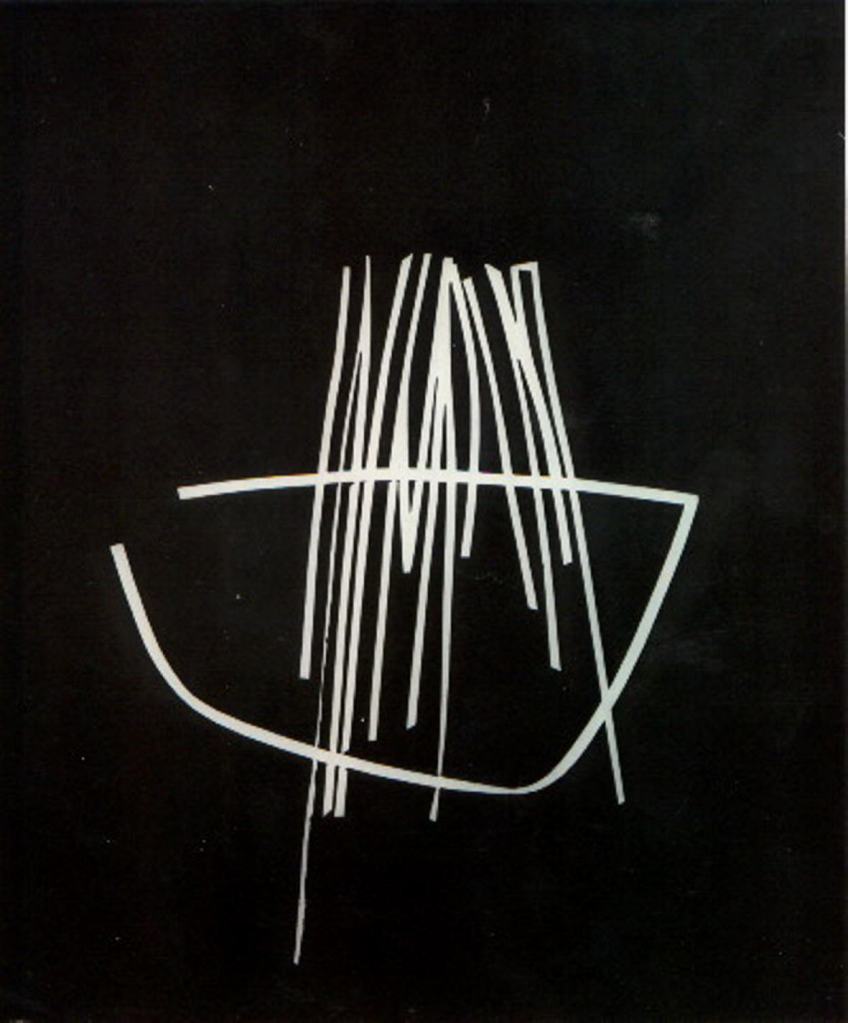
Ambrosio Paolo, 1974, tintotela, cm; 60 x 40
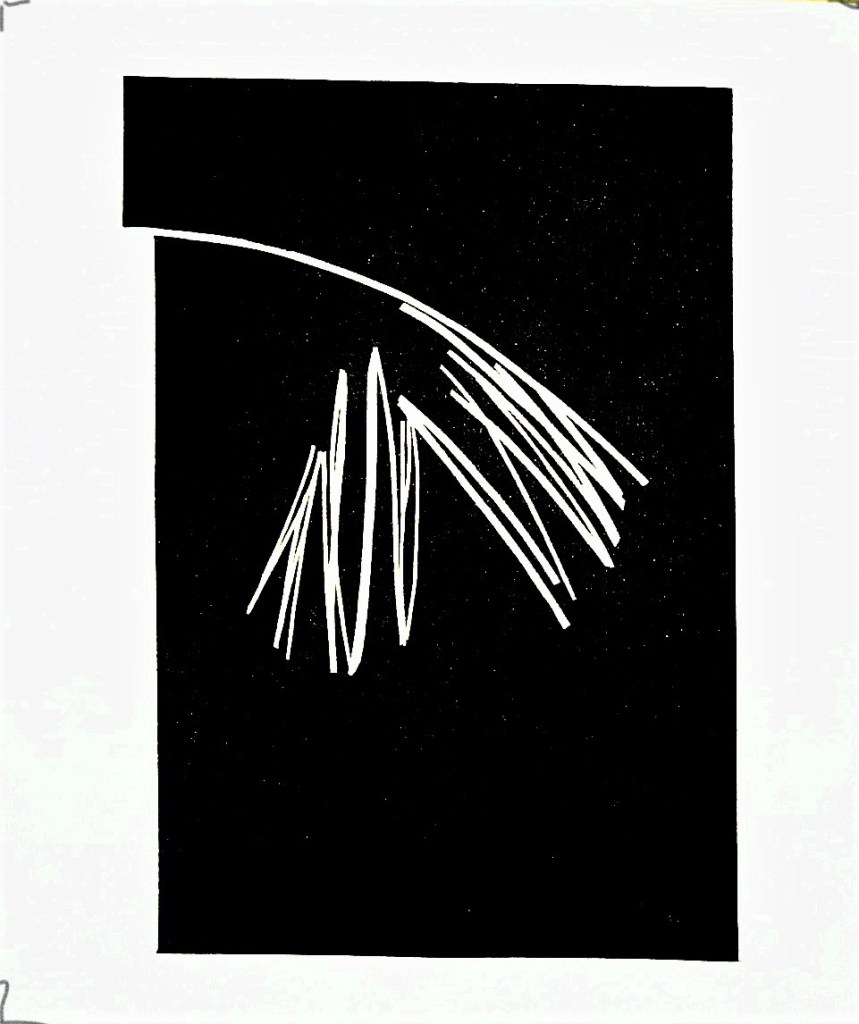
Scrivere è rimettersi agli altri perchè chiudano essi stessi la nostra parola, e la scrittura non è che una proposta di cui non conosciamo mai la risposta.
To write is to defer to others to close our word themselves, and writing is nothing but a proposal to which we never know the answer.
R. Barthes, Saggi critici, p. 363
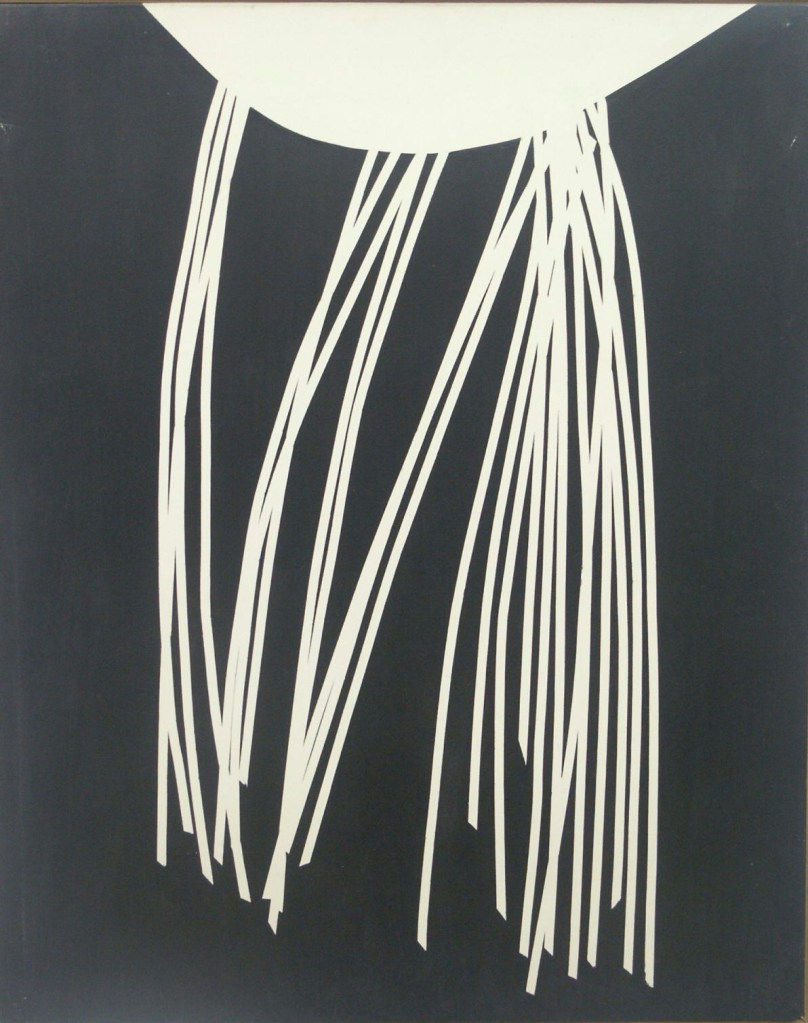
Dal 1960 ad oggi il mio lavoro, liberamente cresciuto attraverso una ricerca che congloba l’esperienza e la costante verifica col pubblico, si è articolato in fasi successive, dinamicamente apere a una sempre ulteriore verificabilità.
Ambrosio Paolo
From 1960 to today my work, freely grown through research that combines experience and constant verification with the public, has been divided into successive phases, dynamically open to ever further verifiability.
Ambrosio Paolo

 Ambrosio Paolo-Arkivio